
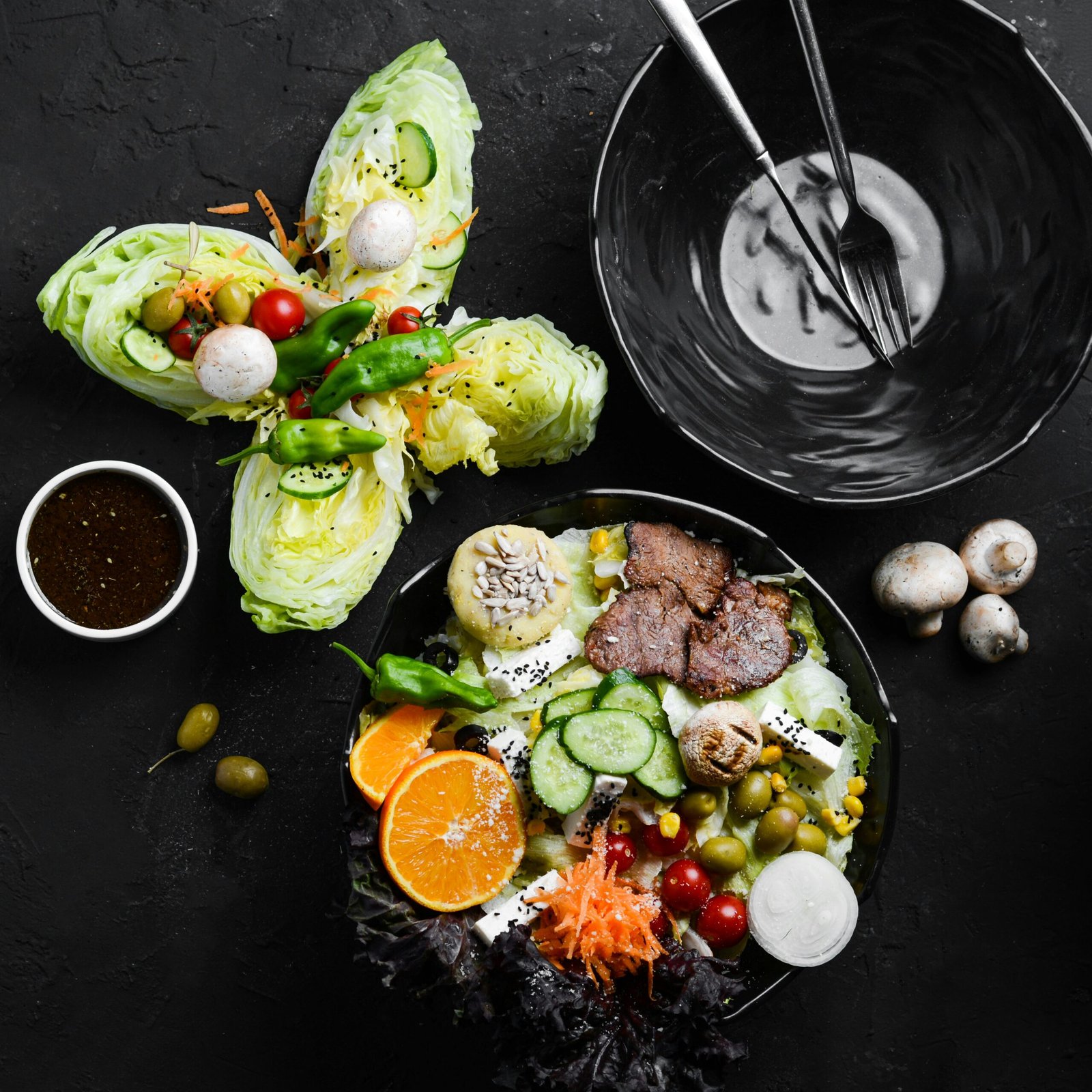

Between work, family responsibilities, commuting, and personal commitments, preparing balanced meals every day can feel difficult.
The good news is that healthy eating does not have to involve complicated recipes or spending hours in the kitchen. A few practical strategies can help make nutritious choices easier.
Vital Eats believes that a healthier routine should work with your schedule, not add unnecessary stress to it.
1. Plan a Few Meals Ahead
You do not need to plan every meal for an entire month. Start by choosing a few lunches and dinners for the coming days.
Make a shopping list based on those meals and use ingredients across multiple recipes.
For example, cooked chicken can be used in a wrap one day and served with vegetables and rice another day.
2. Keep Convenient Foods Available
A well-stocked kitchen makes it easier to prepare meals when you are short on time.
Useful options include eggs, yogurt, canned beans, lentils, frozen vegetables, whole-grain bread, seasonal fruit, and other ingredients you enjoy.
Choose foods that fit your budget and dietary requirements.
3. Prepare Ingredients in Advance
Spend a little time washing vegetables, preparing ingredients, or cooking a batch of daal when your schedule allows.
Store foods safely and refrigerate perishable items promptly.
Having ingredients ready can reduce the effort required to prepare a balanced meal later.
4. Build Quick, Balanced Meals
A nutritious meal can be simple.
Try these combinations:
- Eggs, whole-wheat toast, and fruit.
- Daal, roti, and a side salad.
- Chicken, frozen vegetables, and rice.
- Chickpea salad with yogurt.
- Fish with vegetables and potatoes.
Adjust portions to your hunger, activity, and nutritional needs.
5. Make Better Choices When Eating Out
You can still make balanced choices when eating at a restaurant or ordering food.
Look for meals that include a protein source and vegetables where available. Consider how the food is prepared, choose suitable portions, and ask for sauces separately if that helps you manage the meal.
There is no need to aim for perfection every time you eat outside.
6. Keep Snacks Ready for Long Days
If you often become hungry between meals, keep convenient snacks available.
Fruit, yogurt, roasted chickpeas, nuts, or boiled eggs may work well depending on your preferences and storage options.
Snacking is optional, but planning ahead can help when long workdays make regular meals difficult.
7. Do Not Rely on Extreme Diets
Skipping meals, cutting out entire food groups without a medical reason, or following highly restrictive plans can make it harder to meet your nutritional needs.
A sustainable approach emphasizes variety, adequate nourishment, and realistic routines.
If you have a medical condition or specific dietary requirements, seek personalized advice from a qualified professional.
8. Choose Convenience That Supports Your Goals
Some people enjoy cooking, while others need a more structured approach because of work or family commitments.
Meal planning, ingredient preparation, and suitable prepared meals can all help reduce the daily burden of deciding what to eat.
Choose an approach that fits your budget, preferences, and nutritional needs.
How Vital Eats Can Help
When life gets busy, having a more organized meal routine can make healthy eating feel more manageable.
Vital Eats offers meal-plan options including Low Calorie Glow, High Protein Power, PCOS Diet, and Keto Bliss. Each option reflects a different dietary approach, and suitability depends on individual needs.
Explore our available plans to find out more about the meals and support we offer.
A healthier routine does not need to be complicated. Start with one practical change and build from there with Vital Eats.